

A custom board is not always the first step toward a finished product. An existing SBC may cover the job; a compute module may leave only the carrier to design. Start an ArmSoM ODM discussion with the requirements that existing hardware cannot meet.
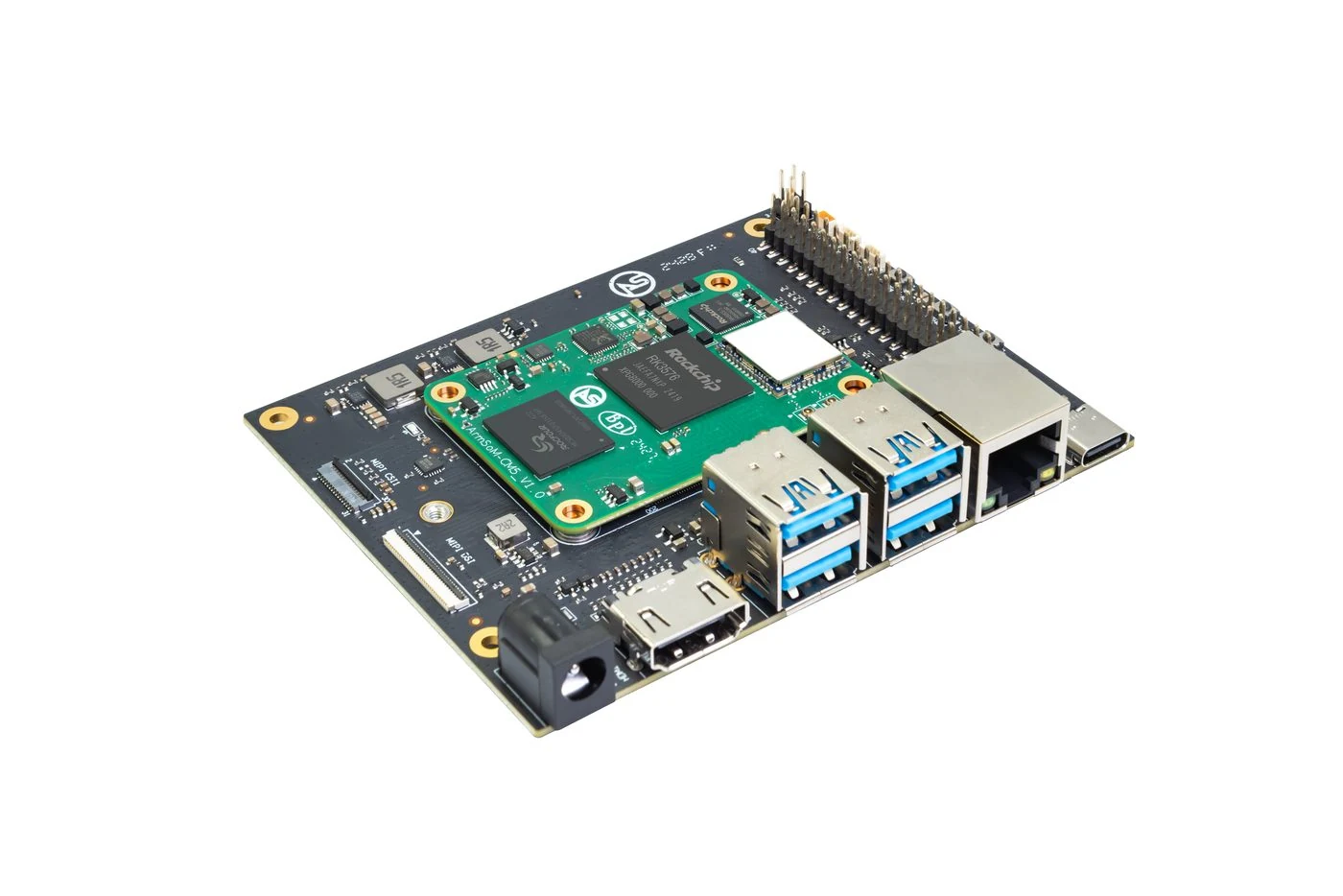
ArmSoM CM5 evaluation carrier and module.
Choose how much hardware needs to change
An SBC keeps the processor, power circuitry and connectors on one board. A module lets the product use a custom carrier while retaining the module’s processor and memory design. A fully custom board has a wider design and validation scope. Compare the enclosure, interfaces, software and assembly requirements before deciding which work the project needs.
Bring an engineering brief
List the application, software dependencies, required interfaces, enclosure dimensions, expected quantity and target schedule. Include the environmental and compliance requirements that apply to the product. Released PDF drawings can support an initial review; keep confidential design sources within an agreed engineering exchange. A prototype photograph alone leaves too many details open for a reliable estimate.
Agree on what each stage delivers
Set the prototype stages, acceptance tests, software responsibilities and production handover in the project agreement. ArmSoM works with a long-term manufacturing partner, shown in the production photographs. Confirm lead times, quantities and required certifications for the specific project with the team.
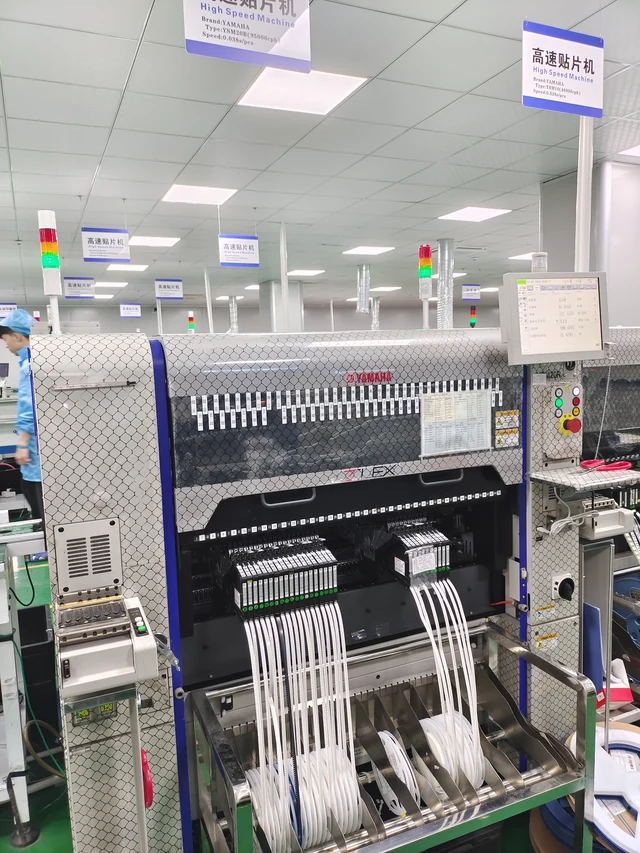
SMT production at ArmSoM’s long-term manufacturing partner.
Match the choice to your requirements
Requirement or situation | What to evaluate | Decision detail |
Requirements | Interfaces, enclosure and software | Create a prioritized brief. |
Integration | SBC, carrier or deeper customization | Compare total engineering effort. |
Delivery | Prototype, tests and production support | Agree on measurable acceptance. |
Hardware and documentation
CM5 · RK3576
RK3576 module, 6 TOPS NPU, 55 × 40 mm and two 100-pin connectors. Module supply: 4 V recommended, 5.5 V maximum. The planned v2.0 memory option is LPDDR4/4x; current availability must be confirmed.
Hardware documentation · Product details
CM7s · RK3588S
RK3588S, 6 TOPS NPU, 55 × 40 mm and three 100-pin connectors. ArmSoM offers CM7s as an Orange Pi CM5 replacement option; confirm the exact carrier, revision and software combination.
Hardware documentation · Product details
CM1 · RK3506J
RK3506J with three Cortex-A7 cores, a Cortex-M0 and 256 MB / 512 MB DDR3L options. The 5 V module supply differs from the CM1-IO carrier’s 12 V input.
Hardware documentation · Product details
Frequently asked questions
Is ODM always cheaper than using an SBC?
No. Engineering, validation and production volume determine the economics.
Does ArmSoM work with a manufacturing partner?
Yes. The production-site photographs show ArmSoM’s long-term manufacturing partner. Ask the team about the manufacturing and validation requirements for your project.
Product information and support
Sources
Written by ArmSoM using the documentation below. Example designs are proposals, not measured customer installations.