

A camera-inspection project on Sige5 starts with images of the actual defect, not an NPU benchmark. Lighting, optics and the definition of an acceptable result shape the model and hardware requirements. Use representative production examples before optimizing inference.
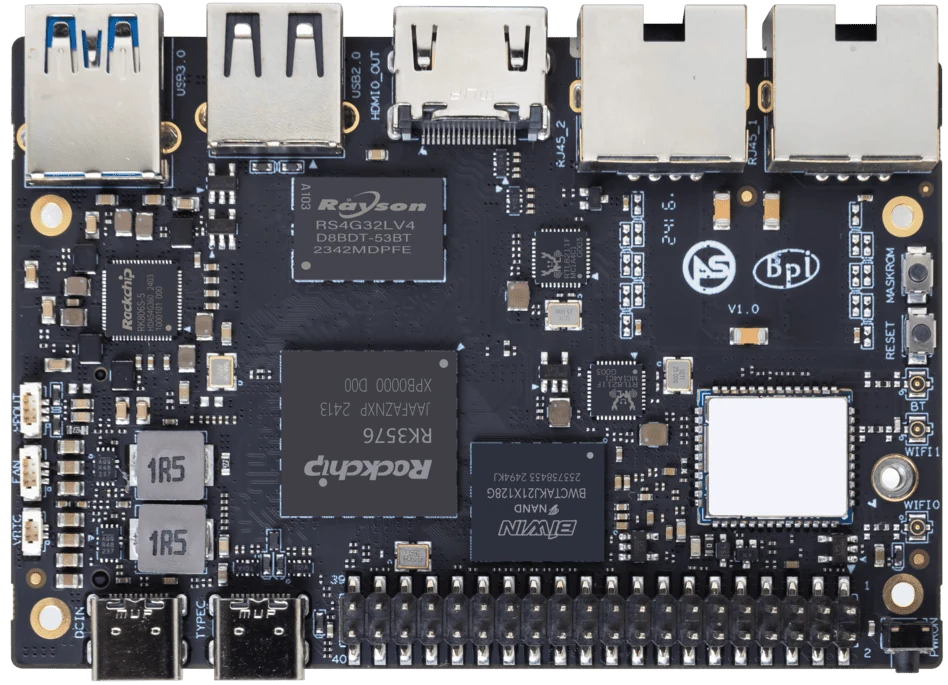
ArmSoM Sige5
Build an inspection dataset
Include normal parts, known defects and difficult but acceptable variations. Record lighting, camera settings and object position so failures can be investigated. Separate training material from evaluation examples. Measure missed defects and false rejects alongside processing time; a fast model that fails the inspection requirement is not a useful deployment.
Keep the decision pipeline observable
Separate capture, preprocessing, inference, thresholding and output. Record model and conversion versions and compare converted results with a reference. Measure total decision latency rather than NPU execution alone. If the station triggers equipment, review the output interface and failure behavior independently of classification accuracy.
Run a representative acceptance test
Hold out samples not used during tuning and report false accepts and false rejects separately. Repeat under expected lighting and temperature conditions, and include blurred or missing frames. Define a reject or manual-review state when confidence or image quality is inadequate. Keep production claims tied to the tested object, camera and model.
Match the choice to your requirements
Requirement or situation | What to evaluate | Decision detail |
Optics | Defect visibility and lighting | Create reproducible images. |
Model | Reference and converted outputs | Check accuracy on held-out data. |
Station | Decision timing and reject handling | Test the complete process. |
Example design
Validate inspection with representative failures
A visual-inspection prototype should include samples of acceptable parts, realistic defects and difficult lighting conditions. Separate the data used to tune the model from the data used to evaluate it. Measure false accepts and false rejects alongside latency. A high frame rate on a short demonstration does not establish production inspection quality or performance across different product batches.
Hardware and documentation
Sige5 · RK3576
RK3576, four Cortex-A72 and four Cortex-A53 cores, 6 TOPS NPU, dual Gigabit Ethernet and M.2 PCIe 2.1 x1.
Hardware documentation · Product details
Frequently asked questions
Can a 6 TOPS specification establish inspection accuracy?
No. Accuracy depends on data, imaging, model and decision thresholds.
Product information and support
Sources
Written by ArmSoM using the documentation below. Example designs are proposals, not measured customer installations.